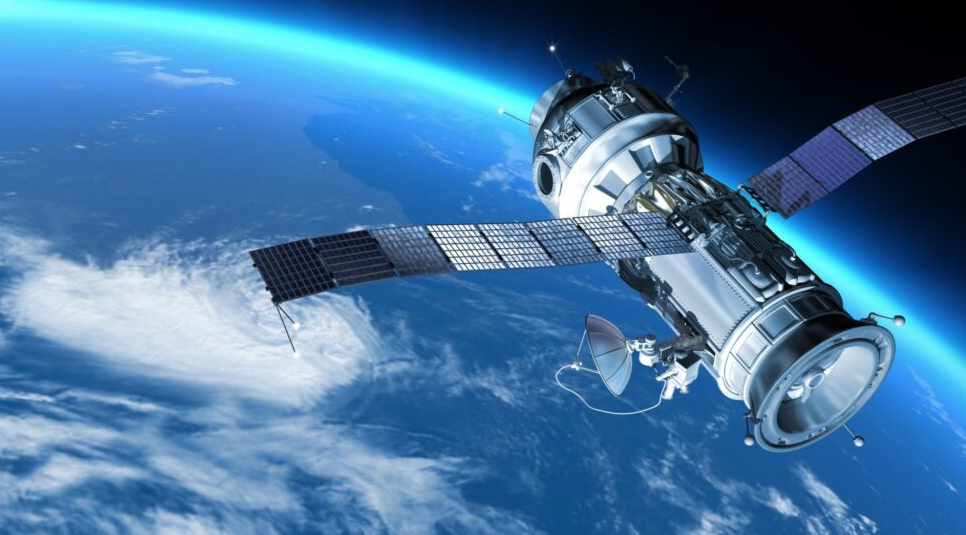
The Growing Role of AI in Space & Satellite Tech

The integration of AI in space and satellite technology marks a significant evolution in exploration and monitoring capabilities. By enabling autonomous navigation, AI optimizes spacecraft operations in unpredictable environments. Additionally, AI enhances satellite orbit management and climate data analysis, leading to more informed decision-making. As these advancements unfold, the implications for future missions and environmental stewardship become increasingly profound, prompting a closer examination of AI’s potential in shaping the future of space endeavors.
Autonomous Spacecraft Navigation
Autonomous spacecraft navigation represents a pivotal advancement in space exploration, driven by the integration of artificial intelligence (AI) technologies.
This innovation enhances autonomous decision making, allowing spacecraft to evaluate and respond to dynamic environments without human intervention.
Effective spacecraft communication systems further bolster this capability, ensuring reliable data exchange and coordination.
Together, these advancements empower missions with greater flexibility and operational autonomy, fostering exploration’s limitless potential.
See also: The Future of Work in the Age of AI
Satellite Orbit Optimization
Effective satellite orbit optimization is crucial for maximizing the performance and longevity of satellite missions.
By leveraging advanced algorithms in orbital mechanics, operators can enhance satellite efficiency, ensuring optimal positioning and minimizing fuel consumption.
This optimization process not only extends operational lifespan but also enables more effective data collection and communication, ultimately supporting a broader spectrum of applications in the growing space landscape.
Climate Monitoring and Analysis
Satellite technology plays a pivotal role in climate monitoring and analysis by providing critical data on atmospheric conditions, land use, and oceanic changes.
Advanced satellite imagery processing enables precise climate data analysis, allowing scientists to track trends and predict future shifts.
This integration of AI enhances the accuracy of environmental assessments, empowering decision-makers to address climate change and promote sustainable practices globally.
Conclusion
In conclusion, the intersection of AI with space and satellite technology heralds a transformative era, where autonomous navigation and optimized orbital mechanics coincide to enhance mission efficacy. As AI-driven analytics converge with climate monitoring efforts, they not only refine our understanding of environmental dynamics but also reveal a serendipitous harmony between exploration and preservation. This duality underscores the potential for innovative solutions, positioning AI as a cornerstone in the future of both terrestrial and extraterrestrial endeavors.