5 Signs Your Bathtub Needs Repair Before It’s Too Late

A bathtub is one of those things you use every single day without thinking much about it, until something goes wrong. A small crack here, a chip there. Easy to ignore. But what starts as a minor cosmetic issue can quietly turn into a water damage nightmare that costs thousands of dollars to fix.
The good news? Most bathtub damage is completely repairable if you catch it early. The bad news? Most homeowners wait too long.
1. Visible Cracks or Chips in the Surface
This is the most obvious sign, and yet it’s the one people dismiss the most.
You notice a small chip near the drain. A hairline crack along the floor. Your first instinct is probably “it’s just cosmetic, it’ll be fine.” But here’s the problem, it won’t stay cosmetic for long.
Cracks and chips in a bathtub surface expose the underlying material, whether that’s fiberglass, acrylic, or porcelain, to constant water exposure. Every shower you take pushes water deeper into that crack. Over time, this leads to:
- Mold and mildew growth beneath the surface
- Structural weakening of the tub shell
- Subfloor water damage can rot wood and compromise your home’s structure
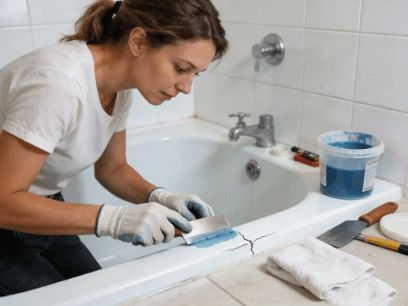
The moment you spot a chip or crack, that’s your cue to act. A targeted chip and crack repair kit can seal the damage quickly, match your tub’s original color, and stop the problem from escalating, often in just an hour or two.
Catching it at this stage is the difference between a $140 fix and a $5,000 replacement.
2. Your Bathtub Floor Feels Soft or Flexes When You Stand In It
Step into your bathtub. Does the floor feel slightly spongy? Does it flex or give a little under your weight?
That’s not normal, and it’s a serious red flag.
A healthy bathtub floor should be firm and solid. When it starts to flex, it usually means one of two things:
- The foam support underneath the tub has deteriorated or was never properly installed
- There is structural damage to the tub floor itself — often hairline cracks that aren’t yet visible to the naked eye
This is a problem that gets worse with every single use. The repeated flexing causes micro-cracks to spread, which then allows water to seep through. Before long, you’re dealing with a fully cracked tub floor and potential subfloor damage beneath it.
If your tub floor feels soft, don’t delay. This is a Level 3 repair situation that requires a kit specifically designed to reinforce the tub from beneath while sealing the surface on top. Waiting even a few weeks can turn a manageable repair into a full bathroom gut job.
3. Discoloration or Staining That Won’t Wash Off
Every bathtub gets dirty. That’s normal. But if you’re scrubbing your tub regularly and there are spots, patches, or discoloration that simply won’t come clean, that’s a sign of something deeper going on.
Stubborn discoloration is often caused by:
- The protective gel coat is wearing away, leaving the porous base material exposed and absorbing stains
- Water is getting beneath the surface and causing dark spots or yellowing from within
- Mold or mildew colonies developing under a compromised surface layer
Many homeowners make the mistake of scrubbing harder or using harsh chemical cleaners at this stage. This actually makes things worse; abrasive cleaners further erode the surface, accelerating the damage.
If the discoloration is paired with any soft spots or cracks, you’re already past the cosmetic stage. But even if it’s purely surface-level, it signals that the protective coating on your tub is breaking down and needs to be addressed with a proper repair, not just cleaned.
4. Water Is Leaking Outside the Tub Area
This one should set off immediate alarm bells.
If you’re noticing water on the bathroom floor that isn’t from splashing, damp walls around the tub surround, water stains on the ceiling of the room below your bathroom, or peeling paint or wallpaper near the tub, you leak. And leaks don’t fix themselves.
Bathtub leaks typically originate from:
- Cracks in the tub floor or walls that allow water to pass through during use
- Failed caulking or grout around the tub surround
- Holes or damage at the tub edges where the tub meets the wall
The water damage caused by a leaking tub is often far more expensive than the tub repair itself. Rotting subfloors, mold remediation, ceiling repairs in the room below; these costs add up fast, sometimes running into tens of thousands of dollars.
If you suspect a leak, the first step is to identify where the water is getting through. In many cases, visible cracks in the tub walls or floor are the culprit, and a proper tub repair kit can seal the source permanently. Don’t patch it with caulk and hope for the best; that’s a temporary fix that masks a growing problem.
5. The Damage Is Getting Noticeably Worse Over Time
Here’s a simple but often overlooked sign: the damage is spreading.
That crack that was barely noticeable six months ago is now an inch longer. The chip that looked small is now a rough, jagged patch. The soft spot in the floor is softer than it used to be.
Bathtub damage is not static. It’s progressive. Every shower, every bath, every cleaning session puts stress on the damaged area. Water is relentless; it finds every weakness and exploits it. What was once a minor issue becomes a major structural problem faster than most homeowners expect.
If you’ve been watching a problem “to see if it gets worse” and it has, that’s your answer. It will keep getting worse until you fix it.
The encouraging reality is that even damage that looks bad is often still very repairable. A high-quality tub repair kit with professional-grade materials can handle everything from small surface chips all the way to large structural floor cracks, without requiring you to tear out the tub or hire an expensive contractor.
See also: Heart Failure Home Care: Supportive At Home Care for Better Comfort and Stability
What Happens If You Ignore These Signs?
Let’s put some numbers to this, because they matter.
| Action | Estimated Cost |
| DIY chip/crack repair kit | ~$140 – $170 |
| Professional tub resurfacing | $300 – $600 |
| Full bathtub replacement | $2,000 – $5,000+ |
| Subfloor water damage repair | $1,000 – $10,000+ |
| Mold remediation | $500 – $6,000+ |
Every sign on this list, if left unaddressed, moves you further down that table. The math strongly favors acting early.
What’s the Right Repair Kit for Your Damage?
Not all bathtub damage is the same, and the right repair approach depends on what you’re dealing with:
- Small chips, cracks, or surface wear → The Ultimate Chip Repair Kit is designed exactly for this. It includes a color-matching system so the repair blends seamlessly with your tub’s original finish.
- Large holes or damage on tub walls → A large wall repair kit handles damage up to softball-sized holes in vertical surfaces.
- Floor cracks or soft, flexing tub floors → A floor crack repair kit is specifically engineered to reinforce the tub from underneath while creating a durable, weight-bearing surface on top.
Each kit comes with everything you need, step-by-step instructional videos, and access to in-house customer support from actual tub repair professionals, not a call center.
The Bottom Line
Your bathtub is giving you signals. Visible cracks, soft floors, stubborn staining, signs of leaking, and worsening damage over time are not things to wait on. They are your window to fix the problem affordably before it spirals into something that costs you thousands of dollars and weeks of bathroom downtime.
The best time to repair your tub was the moment you noticed the damage. The second-best time is right now.
👉 Browse tub repair kits and find the right solution for your damage