How Therapy Dogs Are Transforming Occupational Therapy for Special Needs Students

Occupational therapy is an essential service for children with special needs across the United States. It helps young learners build the physical, cognitive and emotional skills required for daily living. Over the last decade therapy dogs have emerged as one of the most effective additions to these sessions. With their gentle nature and ability to provide unconditional comfort therapy dogs are helping students overcome obstacles that once felt overwhelming. Their presence can turn stressful exercises into positive and motivating experiences.
The Growing Role of Therapy Dogs in Support Services
As more parents, therapists and educators search for therapy dogs for special needs the USA has seen a significant rise in animal assisted support programs. These programs are designed to create a calming environment that makes therapy easier and more enjoyable for children. Whether a student experiences sensory challenges, anxiety developmental delays or communication difficulties the presence of a therapy dog can help bridge the gap between hesitation and participation.
Many families and therapists trust organizations like TheraPets.org, which focus on safe ethical and highly trained animal assisted therapy teams. By pairing experienced handlers with reliable therapy dogs they help ensure that each interaction is both meaningful and supportive.
See also: 5 Reasons for Hiring Roof Repair Services
Why Therapy Dogs Are So Effective in Occupational Therapy
Therapy dogs bring a unique kind of emotional support to therapy sessions. Children often respond better to animals than to traditional tools or structured activities. The natural bond between a child and a dog creates an environment where the student feels understood, accepted and safe to explore new challenges.
Benefits of therapy dogs in therapeutic environments
- Increased willingness to participate in fine and gross motor activities
- Improved emotional regulation and reduced anxiety during structured tasks
Emotional Comfort That Encourages Engagement
One of the biggest challenges in occupational therapy is gaining the trust and engagement of the student. Therapy dogs help ease this process. Their steady presence softens the stress a child may feel when asked to complete a difficult task. For example a student who struggles with transitions may find comfort when a therapy dog walks alongside them. Another child who has difficulty with communication might feel more confident speaking when the dog is nearby.
These emotional benefits help students build confidence over time. When therapy becomes a place of comfort rather than pressure students begin to look forward to sessions. This shift can make long term progress more sustainable.
Support for Sensory Processing and Physical Development
Occupational therapy often involves repetitive exercises that improve coordination strength and sensory processing. While these sessions are important they can be difficult for children who experience sensory overload or physical discomfort. Therapy dogs provide a natural form of sensory input that can reduce stress and help students stay focused.
Activities like brushing a dog, practicing gentle petting, stroking fur or engaging in controlled play create natural opportunities for children to work on motor skills. These interactions offer steady sensory feedback which is helpful for students who rely on predictable input to stay calm and organized.
Therapy dogs can also model slow gentle movements which help students practice regulating their own physical responses. The soft warm pressure of a dog leaning against a child can help ground overstimulated nervous systems and make challenging activities more manageable.
Improving Communication and Social Interaction Skills
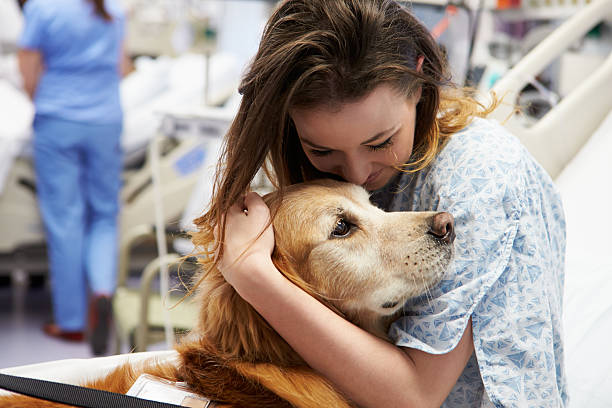
Many children in occupational therapy also work on building communication and social skills. Therapy dogs can play a major role in this area. Because animals do not judge or correct children the interaction feels safe and relaxed.
A student may begin by giving simple commands like sit or stay which builds verbal expression and confidence. Another child might practice taking turns during structured play with the dog which encourages patience and cooperative behavior. Even the act of describing the dog to a therapist such as talking about what the dog is doing or how it is feeling promotes expressive language skills.
Social skills therapy dogs help strengthen
- Verbal communication
- Nonverbal cues such as eye contact and gestures
- Turn taking and cooperative play
These skills often carry over into interactions with classmates, teachers and family members.
Encouraging Routine and Responsibility
Independence is a core goal in occupational therapy. Students learn to manage their own routines, carry out daily tasks and understand step by step sequences. Therapy dogs naturally support this process by creating opportunities to practice responsibility.
For instance a therapist might guide the student through brushing the dog in a set order or preparing items needed for a simple care activity. These tasks build sequencing routines and organization skills without feeling like work. Children often feel motivated when the activity benefits the dog which turns responsibility into a positive learning moment.
Connecting Families With Resources That Enhance Therapeutic Growth
Families who experience the benefits of therapy dogs often want to bring similar forms of comfort into their homes. Programs like TheraPets.org offer guidance education and meaningful resources for parents wanting to extend therapeutic activities beyond the clinic. Many families enjoy browsing supporting materials such as sensory tools training themed items and accessories that complement animal assisted activities.
You can visit the TheraPets shop page to explore materials and tools that may support your child’s therapy activities at home.
Long Term Impact on Development and Emotional Well Being
The positive effects of therapy dogs are not limited to the therapy setting. Many teachers and caregivers across the United States report noticeable changes in students who regularly interact with therapy dogs. Children often show better communication, clearer emotional expression and more sustained attention.
For students with sensory processing challenges therapy dogs can help them feel calmer in everyday environments. For children who struggle with confidence therapy dogs encourage independence and courage. These long term improvements support healthy development and greater success at home in school and in the community.
The integration of therapy dogs into occupational therapy sessions has also strengthened the relationship between therapists and students. The presence of a dog encourages cooperative and trusting interactions making it easier for therapists to introduce new techniques and harder tasks.
A Compassionate Future for Pediatric Therapy
As more American families discover the meaningful impact therapy dogs can have on special needs, the demand for safe, responsible programs continues to grow. Organizations like TheraPets.org are helping set high standards for training animal care and ethical practices which ensures that each interaction remains safe and beneficial.
The future of occupational therapy is becoming more compassionate and more creative. Therapy dogs are changing the way children learn, build skills and express emotions. They are not just animals in the room. They are trusted partners who bring encouragement and joy to every step of the journey.
With growing awareness and increased access to responsible programs therapy dogs are shaping a new pathway toward healing and development for special needs students across the United States. Their ability to transform therapy into a warm motivating experience continues to inspire families, therapists and communities nationwide.